← ExploreA SMALL REMINDER TO STAY CURIOUS, SPARKED BY A PIECE OF WOOD.
Let Yourself Be Amazed.
During a recent CNC project at university, I worked with teak for the first time.
I've spent three years working with wood and CNC, so I thought I had a pretty good idea of what to expect from a familiar material.
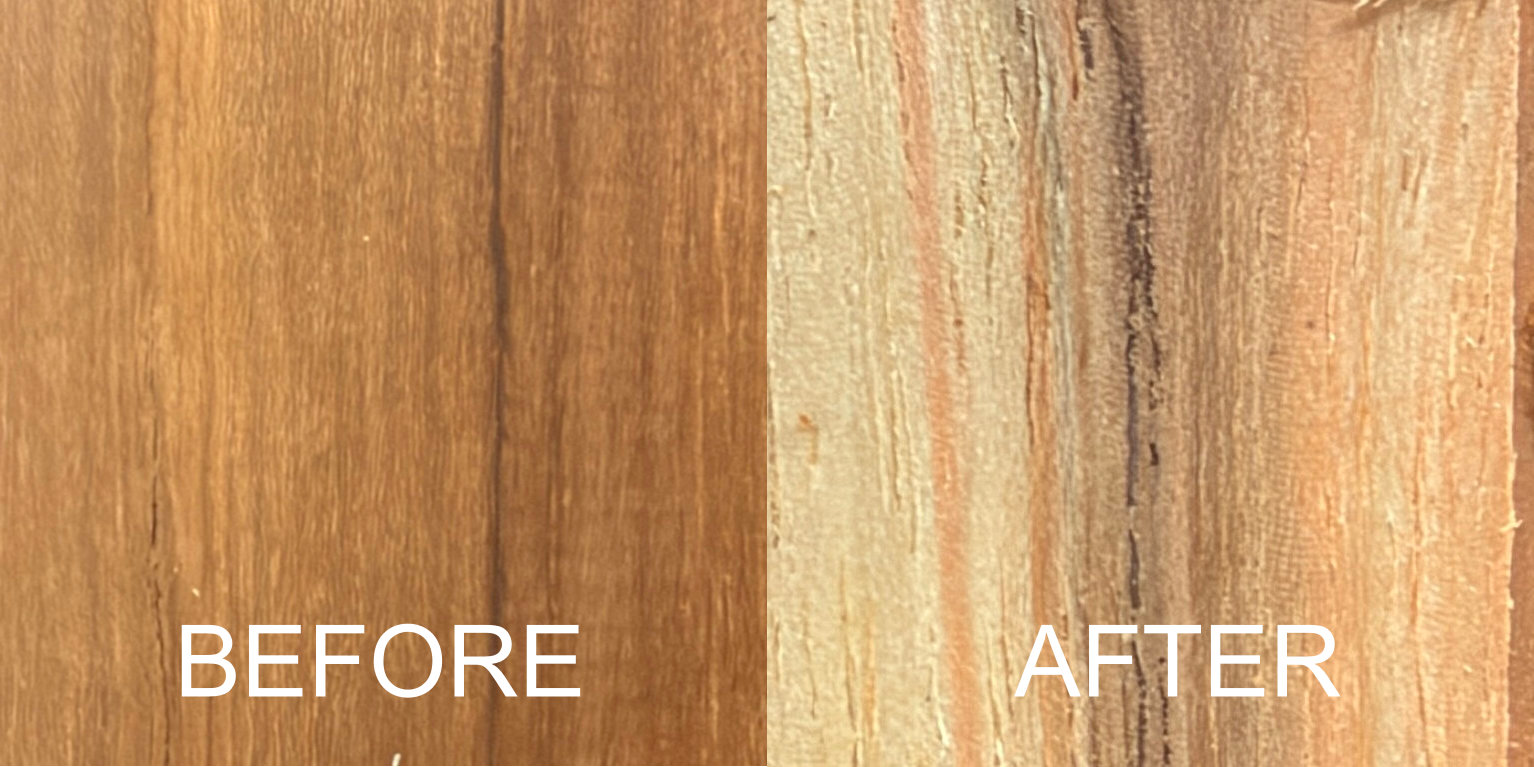
Then our professor pointed out something I had never noticed: when freshly machined, teak can reveal unexpected green and blue tones beneath its more familiar surface. You can see why freshly milled teak sometimes looks green and how its color changes with exposure to light and air.
Over time, those unusual tones gradually shift toward the more familiar golden-brown. The process involves chemical changes in the wood, and the timing can vary depending on the conditions. This closer look at teak's color changes explains what's happening.
What stayed with me wasn't just the color change.
I had spent three years working with wood and CNC without knowing this about a material I use.
It made me realize how easily familiarity can trick us into thinking we already know something.
We often associate curiosity with exploring somewhere new, learning something complicated, or asking big questions. But sometimes, it starts with paying attention to something ordinary.
A piece of wood. A tool we've used a hundred times. A detail we never thought to question.
Curiosity can even be practiced. This short TED Talk on three habits to practice curiosity explores how we can become more attentive to the world around us. And this two-minute TED-Ed video about questions without easy answers is another little reminder of the value of wondering.
I don't think we need to know everything. We just need to leave room for the possibility that there's still something we haven't noticed.
Because sometimes, the most interesting discovery isn't something entirely new. It's something that was there all along, waiting for us to look a little closer.
LET YOURSELF BE AMAZED.